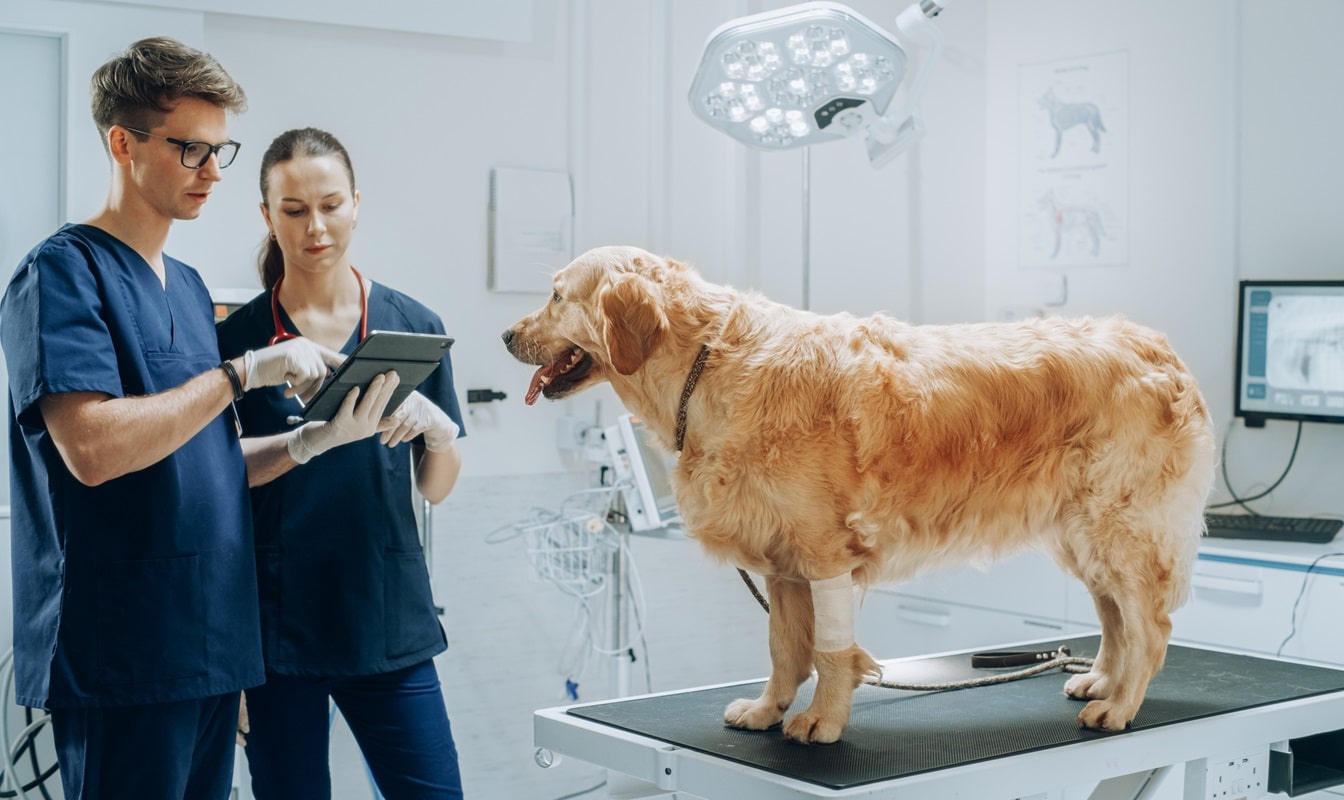
Australia has one of the highest pet ownership rates globally. Australians view their pets as cherished family members. When they bring a sick or injured animal to a clinic, they expect a safe, calming environment that promotes healing.
Creating this environment requires careful planning and smart design. A well-executed vet fitout transforms an ordinary commercial space into a highly functional medical facility. It improves the experience for animals, owners, and the veterinary staff treating them daily.
This post explores the core elements of purpose-built veterinary clinics. We will examine how thoughtful design improves daily operations, enhances safety, and complies with local building requirements across Australia.
Designing for Animal and Human Comfort
Waiting rooms often cause immense stress for animals. Cats and dogs react poorly to strange smells and loud noises. A smart design physically separates different species right from the front door. Creating distinct waiting zones reduces tension for pets and provides peace of mind for their owners.
Consultation rooms also need a calm atmosphere to keep animals relaxed. Non-slip flooring helps pets feel secure on their feet during examinations. Adjustable lighting allows veterinarians to examine sensitive eyes without causing distress. Every design choice must prioritize comfort to ensure a positive visit.
Optimising Clinic Workflow and Hygiene
Veterinary staff work in high-pressure situations. They need fast access to equipment, medications, and treatment areas. Designing a logical floor plan ensures vets and nurses can move quickly between consultation rooms, surgery suites, and recovery wards. Efficient layouts reduce fatigue and help the team focus on patient care.
Storage and Equipment Placement
Proper storage solutions keep the clinic organised. Custom cabinetry provides secure spaces for expensive medical tools and controlled medications. When everything has a dedicated place, the team avoids wasting valuable time looking for supplies during an emergency procedure.
Maintaining Sterile Environments
Hygiene remains an absolute priority. Medical facilities require medical-grade surfaces that resist harsh cleaning chemicals and prevent bacterial growth. Installing coved skirting where floors meet walls stops dirt from building up in tight corners. Proper ventilation systems extract odours and airborne pathogens, keeping the air clean for everyone inside the building.
Complying with Australian Building Standards
Building a medical facility involves strict regulations. Clinics in Australia must meet specific zoning laws, accessibility standards, and health guidelines. Soundproofing is highly important in these spaces. Local councils often mandate acoustic insulation to ensure barking dogs do not disturb neighbouring businesses or residential homes.
Proper waste management systems and specialised plumbing are also mandatory for veterinary spaces. X-ray rooms require lead-lined walls to protect staff from radiation exposure. Understanding these technical requirements ensures the clinic operates safely and avoids costly legal issues in the future.
A well-planned clinic design directly impacts the quality of care provided to animals. By focusing on workflow, hygiene, and patient comfort, veterinarians can create spaces that serve their local communities effectively. If you plan to build or renovate a clinic, consult with design professionals who understand the specific demands of veterinary medicine. Thoughtful planning today will ensure a highly functional clinic for years to come.